
When it comes to heat-sealing packaging, especially in food trays, disposable containers, or industrial thermoformed products, one common question keeps coming up:
Should you use PP/PE laminated sheet or mono-layer PP sheet?
At first glance, both materials seem similar. They are both based on polypropylene and widely used in thermoforming. But in real production, the difference between them can directly affect sealing performance, production efficiency, and even final product quality.
This article breaks it down from a practical, production-driven perspective — not theory, but what actually works on the factory floor.
Understanding the Two Structures
Before making a decision, it’s important to understand what these materials really are.
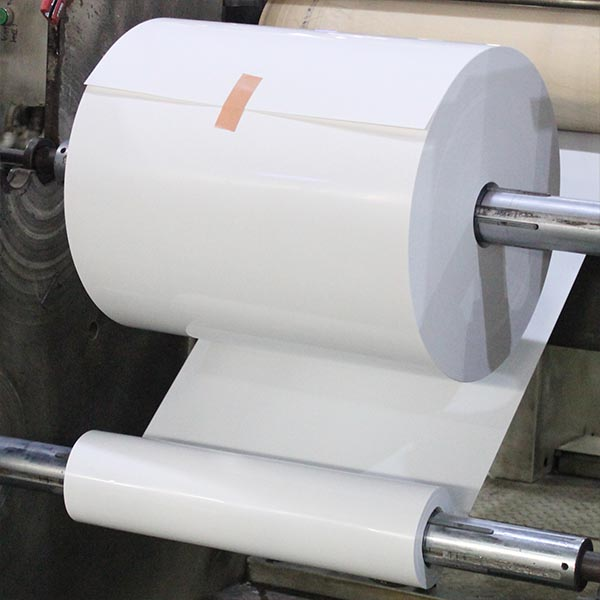
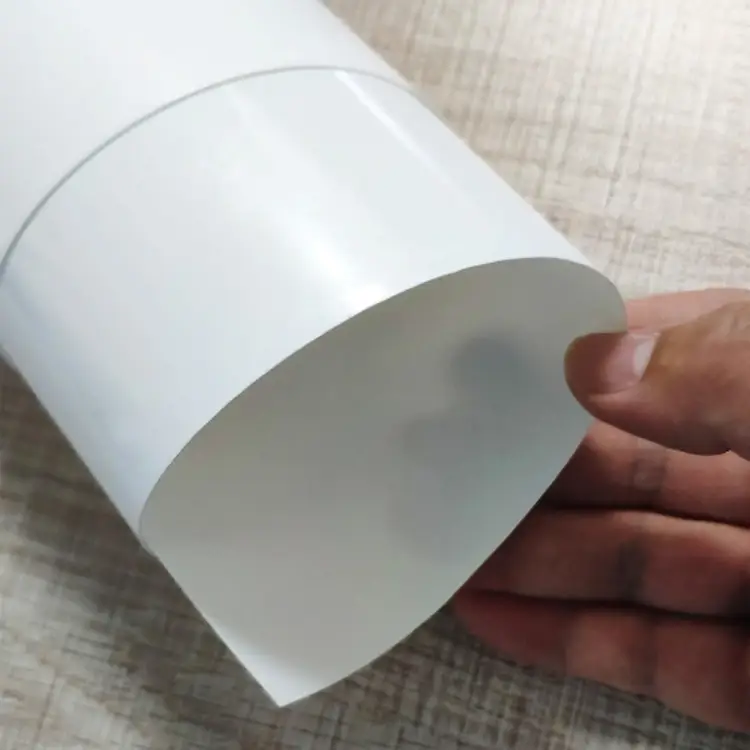
Mono PP Sheet
A single-layer polypropylene sheet, typically used for thermoforming trays and containers. It offers good rigidity, chemical resistance, and cost efficiency.
PP/PE Laminated Sheet
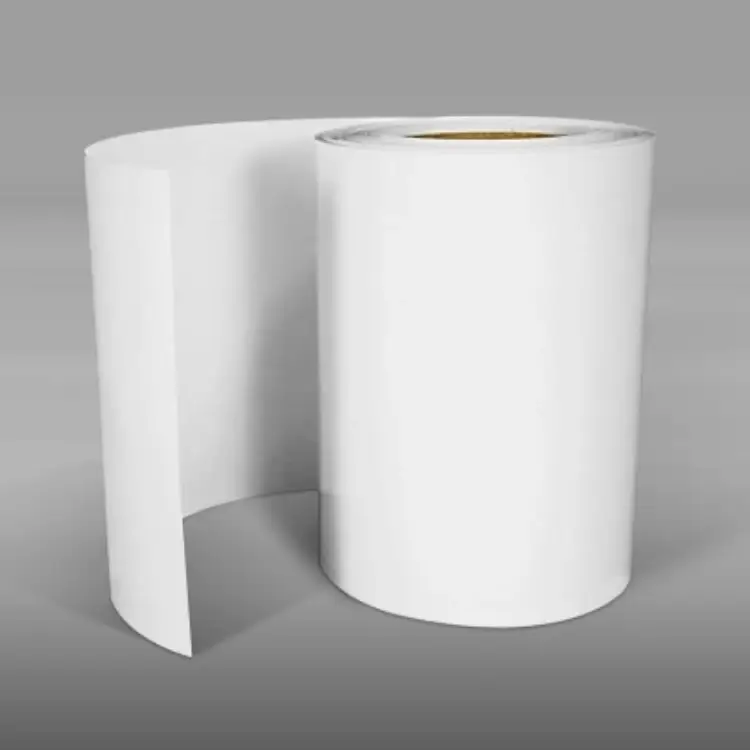
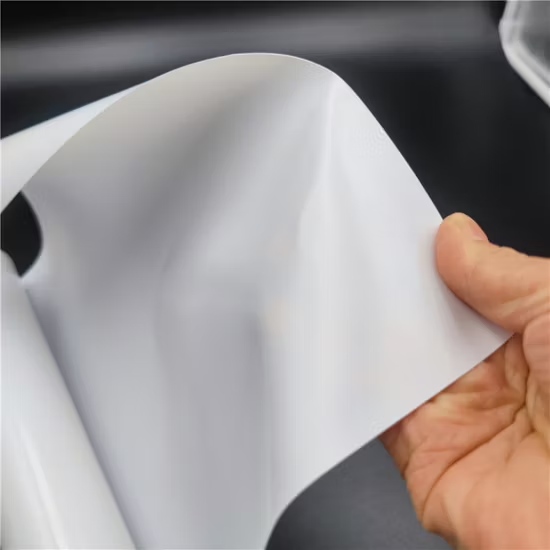
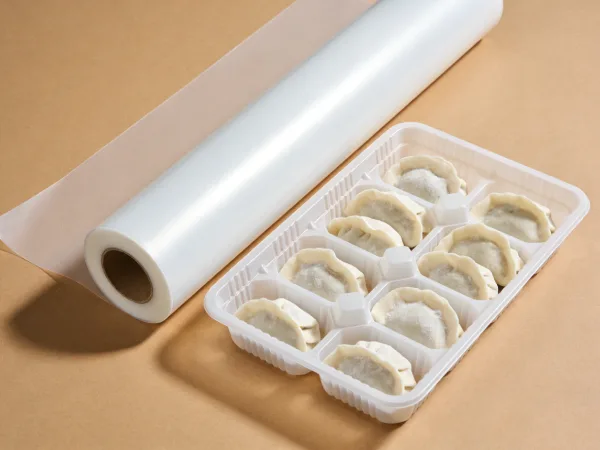
A multi-layer structure where a thin PE (polyethylene) layer is laminated or co-extruded onto a PP base sheet. The PE layer acts as a heat-sealing interface.
In simple terms:
- PP = structure and strength
- PE = sealing performance
Why Heat-Sealing Performance Matters
Heat sealing is not just about closing a package. It directly affects:
- Leak resistance
- Shelf life
- Production speed
- Compatibility with sealing films
In many cases, mono PP struggles with stable sealing, especially at lower temperatures or high-speed lines. This is where PP/PE laminated sheet shows clear advantages.
Key Differences That Impact Your Production
1. Sealing Temperature Range
Mono PP typically requires higher sealing temperatures, which can lead to:
- Warping
- Longer cycle times
- Higher energy consumption
PP/PE laminated sheet, on the other hand, allows lower and wider sealing windows, making it easier to run on automatic lines.
2. Sealing Strength and Consistency
With mono PP, sealing strength can fluctuate depending on:
- Surface condition
- Temperature control
- Film compatibility
PP/PE provides a more forgiving sealing layer, resulting in:
- More stable sealing
- Lower defect rates
- Better compatibility with common sealing films
3. Processing Efficiency
From a production standpoint:
- Mono PP = simpler structure, easier sourcing
- PP/PE = slightly higher cost, but smoother sealing process
Many converters find that PP/PE actually reduces total production cost by minimizing rejects and improving line speed.
Procurement Decision Guide (Most Important Section)
If you are sourcing material, here is a practical way to decide:
Choose Mono PP Sheet if:
- You do not require heat sealing
- You use mechanical closure or lids
- Cost is the top priority
- Your sealing process is already optimized for PP
Choose PP/PE Laminated Sheet if:
- You need reliable heat sealing
- Your production runs at high speed
- You want lower sealing temperature
- You are facing sealing inconsistency issues
Typical Applications
Mono PP Sheet:
- Rigid trays
- Non-sealed packaging
- Industrial containers
PP/PE Laminated Sheet:
- Food trays with sealing film
- Ready meal packaging
- Dairy and beverage cups
- Fresh produce packaging
Common Mistakes Buyers Make
Focusing only on material price
Lower material cost does not always mean lower total cost.
Ignoring sealing compatibility
Not all sealing films work well with PP.
Overlooking processing conditions
Temperature, pressure, and speed all matter.
Choosing mono PP for heat sealing applications
This often leads to unstable production.
FAQ (Frequently Asked Questions)
Q1: Can mono PP be used for heat sealing?
Yes, but it requires higher temperature and precise control. It is less stable compared to PP/PE.
Q2: Is PP/PE laminated sheet food safe?
Yes, as long as both PP and PE meet food-grade standards.
Q3: What is the typical PE thickness?
Usually between 10–50 microns depending on application.
Q4: Does laminated sheet affect thermoforming performance?
No, if designed properly, it maintains good forming properties.
Q5: Is PP/PE more expensive?
Material cost is slightly higher, but overall production cost may be lower due to efficiency.
Final Thoughts
There is no one-size-fits-all answer. The right choice depends on your application and production setup.
If your priority is simple structure and low material cost, mono PP is a solid option.
But if your goal is stable heat sealing and efficient production, PP/PE laminated sheet is usually the better long-term solution.
From our experience working with packaging manufacturers, more and more converters are shifting toward laminated structures — not because it is more complex, but because it is more reliable in real production.
If you are unsure which material fits your project, it is always better to test both options under your actual production conditions.
That’s where the real answer comes from.