
Introduction
In the global food packaging industry, procurement strategies are undergoing a noticeable shift. Food packaging factories are increasingly moving away from fragmented, short-term sourcing and toward bulk procurement of HIPS plastic rolls through long-term supplier relationships.
This change is not driven by a single factor, but by a combination of market expansion, regulatory pressure, supply chain considerations, and the operational realities of large-scale thermoforming production.
As packaging volumes grow and manufacturing processes become more automated, bulk procurement has become a strategic decision rather than a purely cost-driven one.
This article examines the key industry forces behind this trend and explains why food packaging factories are prioritizing large-volume sourcing of food-grade HIPS plastic rolls.
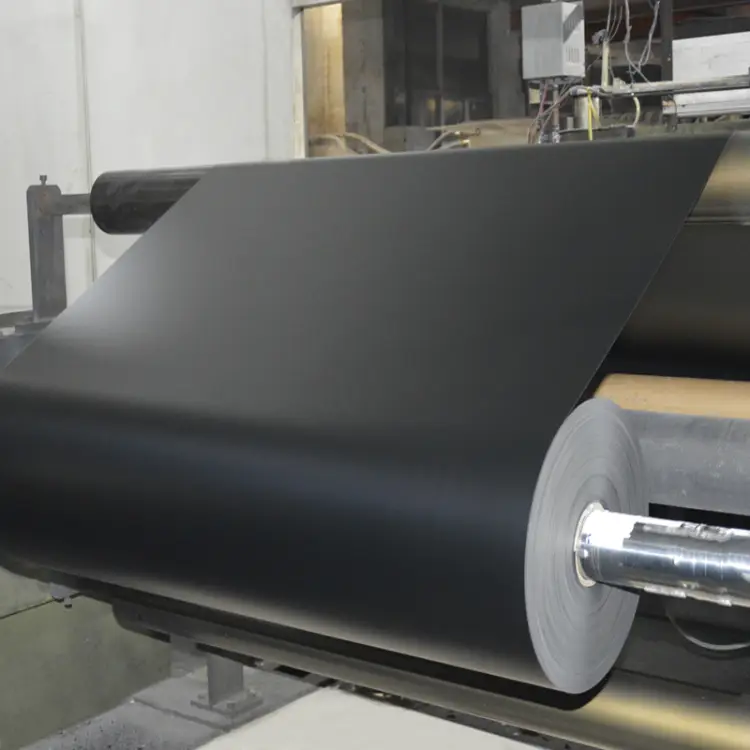
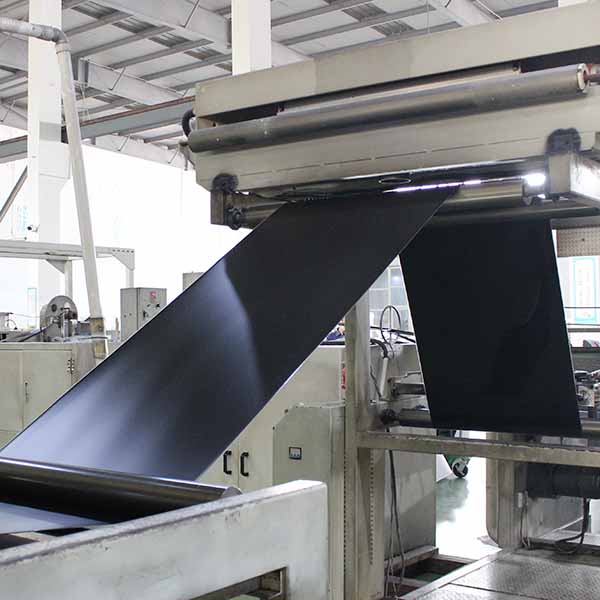
Market Dynamics: Thermoforming Demand Fuels Bulk Purchases
Growth of Thermoformed Food Packaging
Thermoformed packaging continues to expand across global food markets due to its efficiency, scalability, and versatility.
Applications such as meat and poultry trays, dairy cups, bakery packaging, dessert containers, and ready-meal trays rely heavily on thermoforming processes that require consistent plastic sheet performance.
As food brands scale production and diversify product lines, packaging factories must run longer production cycles on high-speed equipment. This has increased demand for stable, predictable materials supplied in large volumes.
HIPS plastic rolls, widely used for rigid food packaging, are particularly well suited to these requirements due to their forming behavior and cost structure.
HIPS Material Advantages in High-Volume Packaging
Compared with alternative materials such as PET or PP, HIPS offers a balanced combination of rigidity, impact resistance, and processability. For many food packaging applications where transparency is not a priority, HIPS remains a practical and economical choice.
In high-volume environments, its advantages include:
- Stable thermoforming performance
- Lower forming temperatures and energy consumption
- Reliable output at industrial cycle speeds
These characteristics make HIPS a preferred material when production efficiency and consistency are critical, reinforcing the trend toward bulk purchasing.
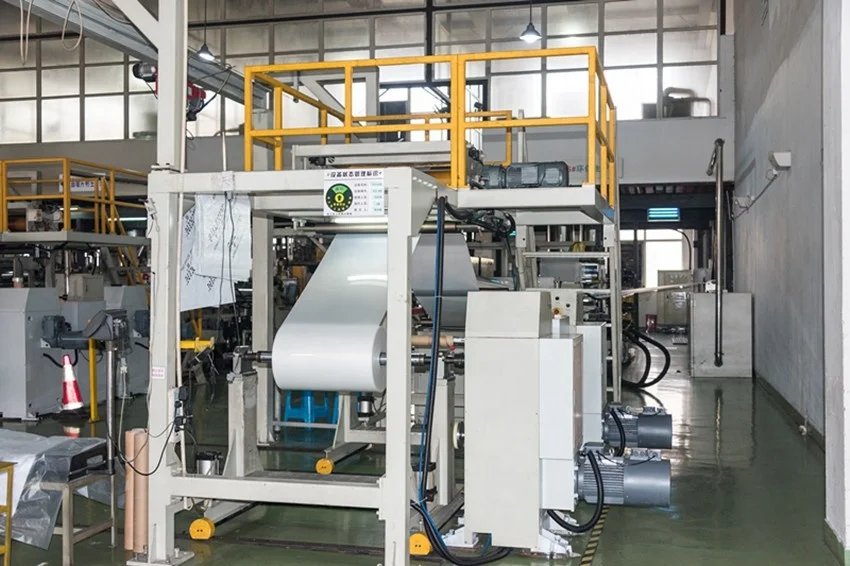
Cost Efficiency and Procurement Strategy in Large-Scale Operations
Bulk Volume Cost Savings
Cost control remains a central concern for food packaging factories, particularly those supplying large retail or food service contracts. Bulk procurement of HIPS plastic rolls allows manufacturers to reduce unit costs through economies of scale in raw material sourcing, extrusion, and logistics.
For procurement managers, bulk purchasing provides:
- Lower per-kilogram material costs
- Reduced transaction and administrative expenses
- More predictable cost structures across production cycles
Over time, these efficiencies contribute significantly to overall packaging cost optimization.
Predictable Budgeting and Long-Term Cost Control
Beyond immediate cost reductions, bulk procurement supports long-term financial planning. Fixed or semi-fixed pricing agreements help shield packaging factories from short-term raw material price volatility and supply fluctuations.
This predictability is particularly valuable in contract-based food packaging operations, where packaging costs must remain stable over extended supply agreements with food brands and retailers.
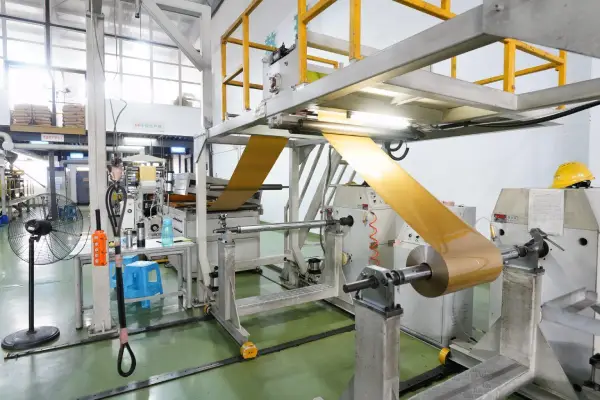
Food-Grade Compliance Is Non-Negotiable
Regulatory Expectations for Food Contact Materials
Food contact regulations continue to tighten across major global markets. Packaging factories must ensure that all materials meet relevant food safety requirements and can withstand regulatory audits.
For HIPS plastic rolls, this includes:
- Use of food-grade, virgin raw materials
- Compliance with applicable food contact standards
- Full documentation and traceability
- Consistent quality across production batches
Bulk procurement from qualified manufacturers simplifies compliance management by reducing the number of suppliers that need to be audited and monitored.
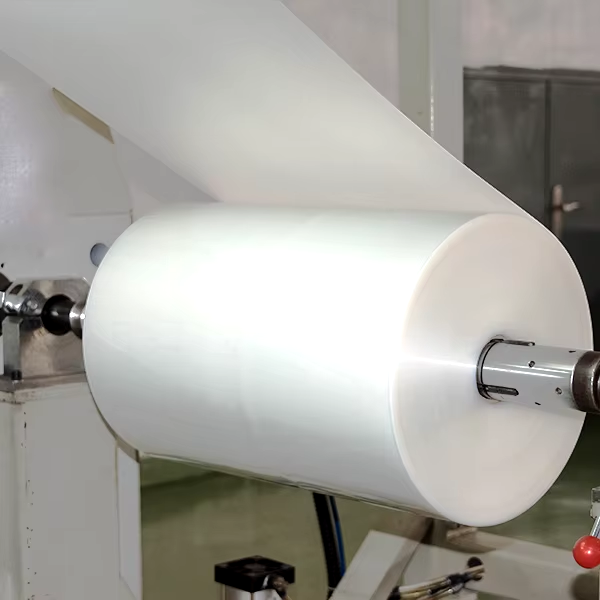
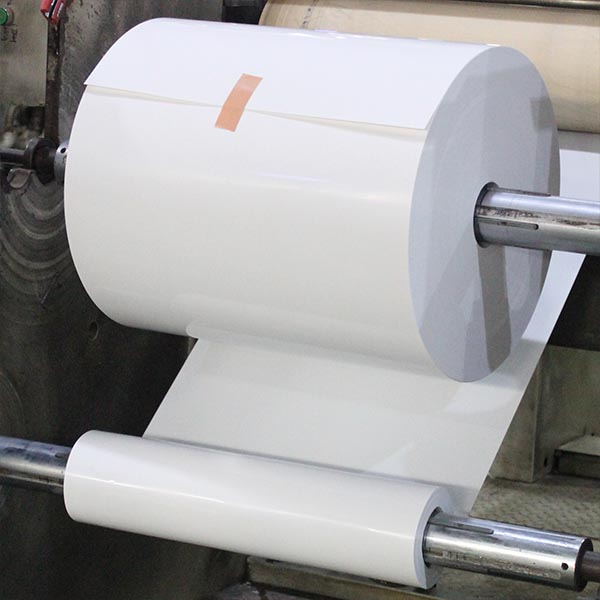
Quality Consistency in Bulk Supply
Inconsistent material quality can lead to production disruptions, increased scrap rates, and potential compliance risks.
By sourcing large volumes from a single, established manufacturer, packaging factories improve batch-to-batch consistency and reduce variability in forming performance.
This consistency is essential not only for food safety but also for maintaining stable production output in high-volume operations.
Supply Chain Resilience and Strategic Sourcing
Risks in Spot Market and Multi-Supplier Models
Recent global supply chain disruptions have highlighted the vulnerabilities of spot-market purchasing and fragmented supplier networks. Delays in raw material availability, logistics bottlenecks, and sudden price fluctuations have made short-term sourcing increasingly risky for packaging manufacturers.
For food packaging factories operating continuous production schedules, even minor supply interruptions can result in costly downtime.
Benefits of Long-Term Manufacturer Partnerships
Bulk procurement through long-term agreements offers greater supply chain resilience. Key advantages include:
- Secured production capacity
- Priority scheduling during peak demand periods
- More reliable lead times
- Improved coordination between production and delivery planning
These benefits have led many food packaging factories to reassess procurement strategies and prioritize supplier stability alongside price considerations.
Precision Manufacturing and Specification Control
Tight Thickness Tolerance Requirements
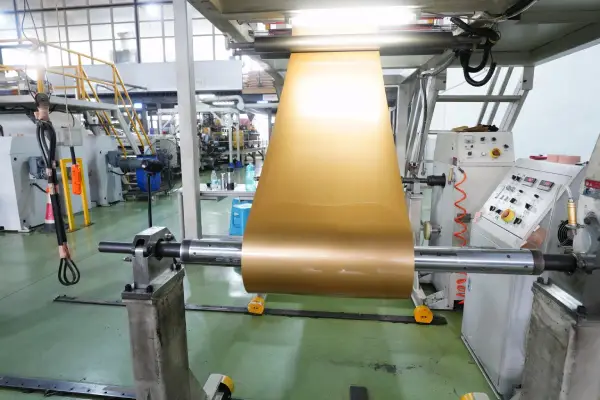
As thermoforming lines become more automated, material precision has become a decisive factor. Variations in thickness can affect forming quality, tooling performance, and final product appearance.
Food packaging factories sourcing HIPS plastic rolls in bulk typically require:
- Tight thickness tolerances
- Uniform sheet density
- Consistent surface quality across entire roll lengths
Bulk production runs dedicated to specific specifications allow manufacturers to maintain higher precision than smaller, mixed orders.
Customized Widths, Gauges, and Roll Sizes
Large-scale packaging operations often have unique equipment requirements. Bulk procurement enables customization of roll width, thickness, and roll diameter to match specific thermoforming lines.
This level of specification control reduces setup adjustments, minimizes material waste, and improves overall production efficiency.
Direct Manufacturer Procurement vs. Intermediary Purchasing
Technical Collaboration Advantages
An increasing number of food packaging factories are shifting toward direct sourcing from HIPS plastic roll manufacturers rather than purchasing through intermediaries. Direct relationships allow for faster communication on technical requirements and quicker resolution of production challenges.
This collaboration is particularly important when adjusting material formulations or specifications to optimize forming performance on specific equipment.
Transparency in Quality Control and Traceability
Direct procurement also improves transparency in quality management. Packaging factories gain clearer visibility into raw material selection, production processes, and quality control systems.
For bulk orders, this transparency supports stronger accountability and more reliable long-term partnerships.
Regional Trends and Global Procurement Patterns
North America and Europe: Compliance and Stability Focus
In highly regulated markets such as North America and Europe, bulk procurement is often driven by compliance and risk management considerations. Packaging factories in these regions tend to consolidate suppliers and prioritize manufacturers with strong quality systems and regulatory experience.
Asia-Pacific: Volume Growth and Scale Efficiency
In Asia-Pacific markets, rapid growth in food processing and packaging capacity is driving large-volume demand. Bulk procurement in this region is often motivated by scale efficiency and the ability to support expanding production networks.
Despite regional differences, the underlying trend toward bulk sourcing remains consistent across global markets.
Outlook: What Bulk Procurement Trends Mean for the HIPS Market
Looking ahead, bulk procurement is expected to remain the dominant sourcing model for food-grade HIPS plastic rolls. Key developments likely to shape the market include:
- Increased use of long-term supply agreements
- Greater demand for customized HIPS grades
- Continued investment in precision extrusion technology
- Closer collaboration between packaging factories and material manufacturers
As food packaging operations grow in scale and complexity, procurement decisions will increasingly focus on reliability, consistency, and strategic alignment rather than short-term price advantages.
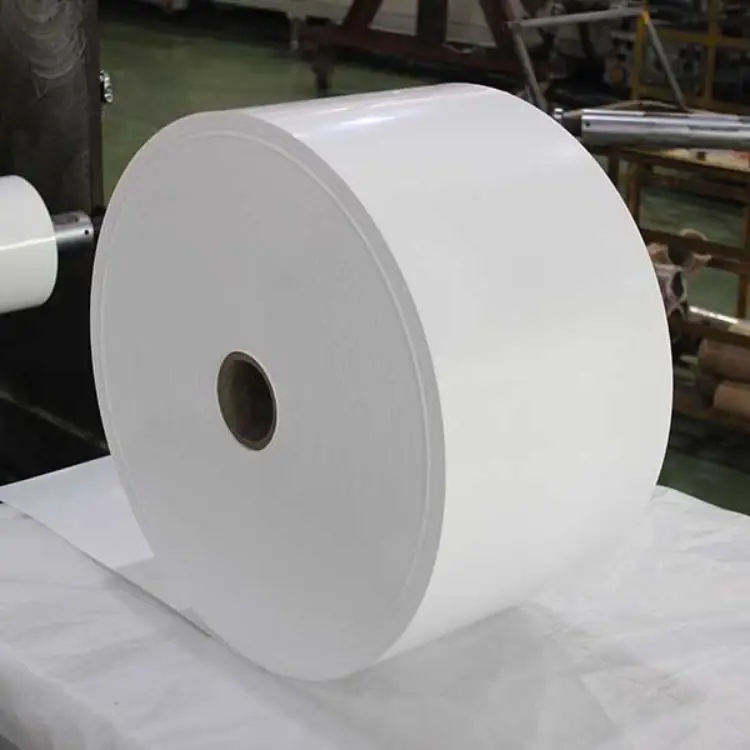
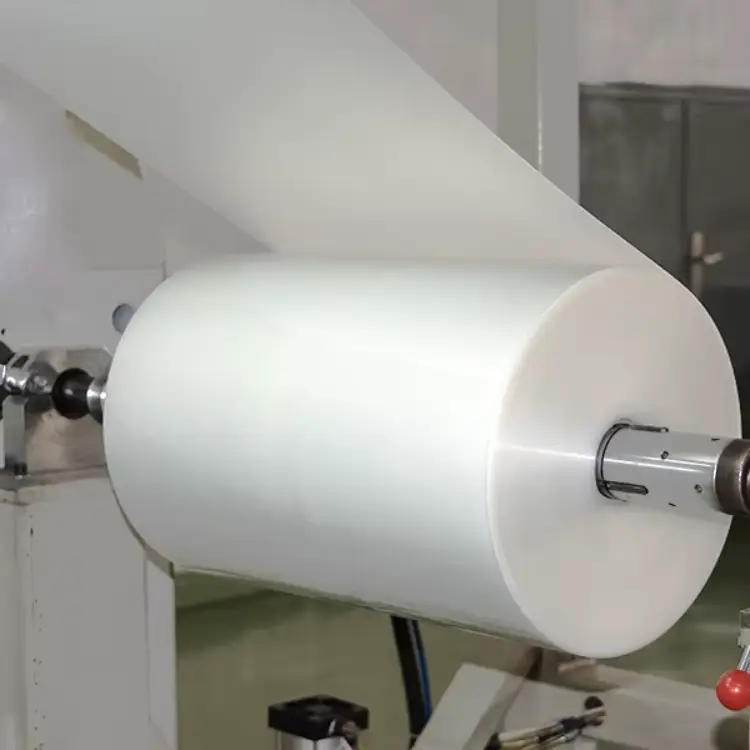
Why choose Pusite HIPS Plastic Rolls?
Pusite is a professional manufacturer specializing in HIPS plastic rolls for food packaging applications. We focus on stable production, consistent quality, and long-term supply to support food packaging factories and thermoforming operations.
1. Reliable Food-Grade Manufacturing
Pusite supplies food-grade HIPS plastic rolls produced with controlled raw materials and standardized processes, ensuring suitability for food contact packaging.
2. Consistent Quality for Thermoforming
Our HIPS rolls are engineered for stable thermoforming performance, with tight thickness tolerance and uniform sheet quality to support high-speed, continuous production lines.
3. Scalable Production Capacity
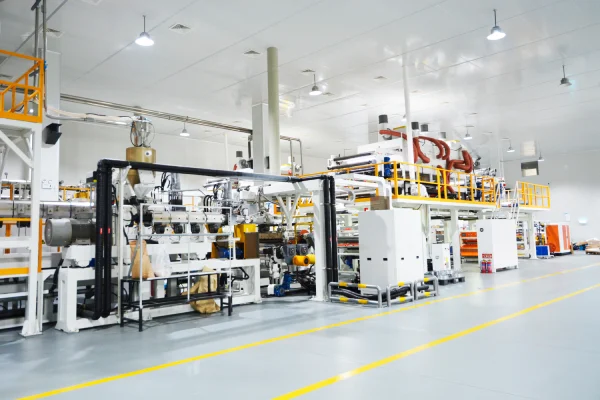
With dedicated extrusion lines and bulk order capability, Pusite supports large-volume and long-term procurement, helping customers maintain stable supply and predictable lead times.
4. Custom Specifications Available
We offer customized thickness, width, and roll size to match different thermoforming machines and packaging requirements.
5. Manufacturer-Direct Supply
Working directly with Pusite means clear communication, technical support, and reliable quality control, reducing sourcing risks for food packaging factories.