
When it comes to fresh food packaging—fruits, vegetables, ready meals, or deli products—one question comes up again and again:
Should you use PP or PET for food trays?
On paper, both materials are widely used, food-safe, and thermoformable. But in real production and real logistics, they behave very differently.
If you’re trying to balance cost, shelf life, appearance, and performance, the choice is not as simple as it seems.
Let’s break it down from a practical point of view.
Understanding PET: The Go-To Choice for Fresh Display Packaging
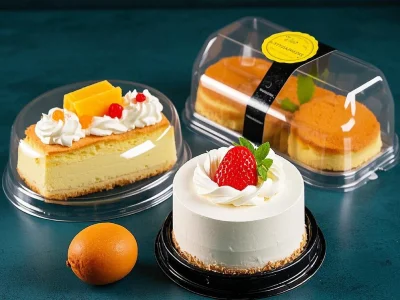
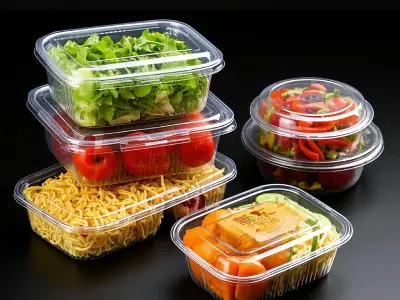
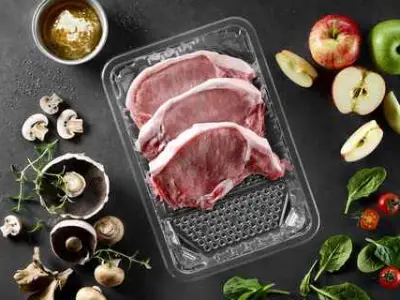
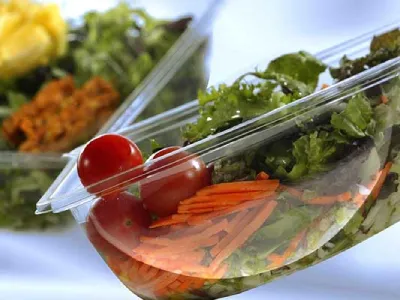
PET (especially APET) is the most commonly used material for fresh food display packaging.
Walk into any supermarket, and you’ll see it everywhere – clear fruit boxes, salad containers, bakery trays.
Why is PET so widely used?
Because it delivers exactly what retailers want:
- High transparency → makes food look fresh and appealing
- Good rigidity → trays hold shape during transport
- Strong barrier properties → helps extend shelf life
- Excellent thermoforming stability
For products where visual appeal drives sales, PET is hard to beat.
Simply put: if your product needs to look fresh, PET is usually the first choice.
Understanding PP: Built for Function, Heat, and Practical Use
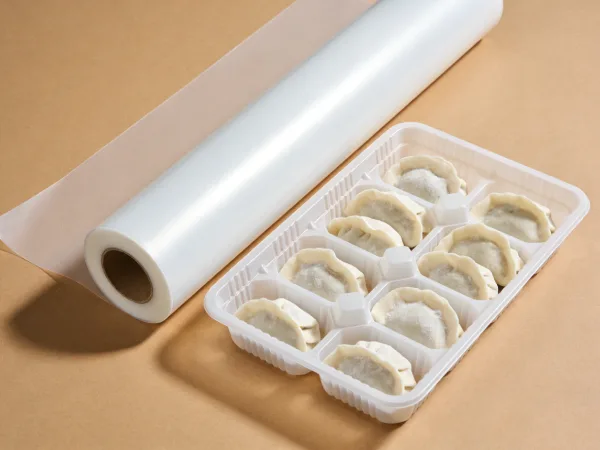
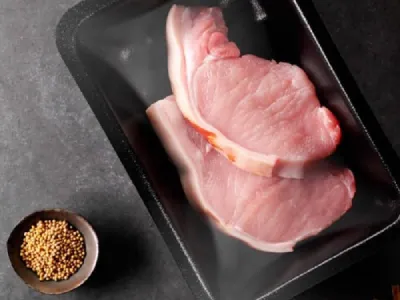
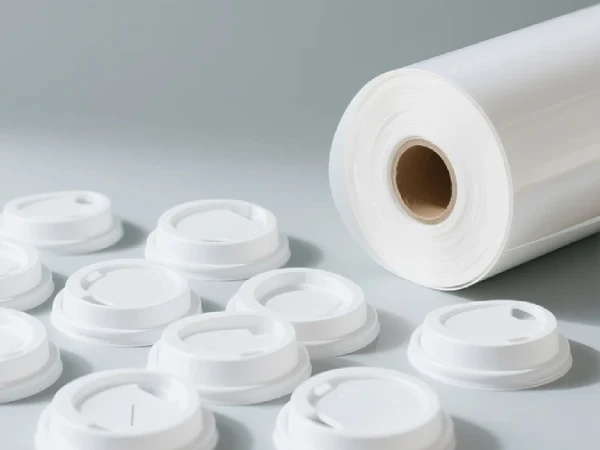
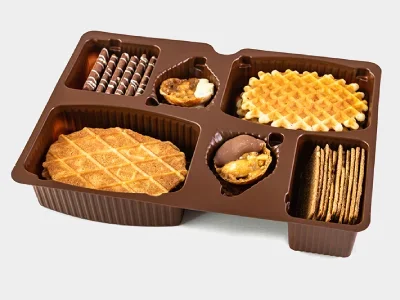
PP (Polypropylene) plays a different role in food packaging.
Instead of focusing on appearance, PP is designed for functionality and heat resistance.
Key advantages include:
- Microwave and heat resistance
- Better flexibility (less brittle than PET)
- Good chemical resistance (oils, sauces, etc.)
- Lightweight structure
This makes PP ideal for:
- Ready meals
- Takeaway containers
- Hot food packaging
- Applications requiring reheating
If your packaging needs to perform, especially with heat, PP is the better option.
PP vs PET: What Really Matters in Fresh Food Packaging
Choosing between PP and PET isn’t about which is better—it’s about what matters most for your product.
1. Appearance & Shelf Appeal
- PET: Crystal clear, glossy, premium look
- PP: Usually semi-transparent or opaque
For supermarket display → PET wins clearly
2. Heat Resistance
- PET: Limited heat resistance
- PP: Suitable for microwave and hot filling
For ready meals → PP is essential
3. Rigidity vs Flexibility
- PET: Rigid and strong, but more brittle
- PP: Flexible and impact-resistant
For transport durability → depends on use case
- Rigid protection → PET
- Flexibility → PP
4. Shelf Life & Barrier Performance
- PET: Better oxygen barrier → helps preserve freshness
- PP: Lower barrier performance
For fresh produce → PET performs better
5. Cost Consideration
- PP: Generally more cost-effective
- PET: Slightly higher cost, but better presentation
For cost-sensitive, non-display packaging → PP
6. Sustainability & Recycling
- PET: Widely recycled (especially rPET)
- PP: Recyclable, but infrastructure varies by region
For eco-focused retail → PET (especially RPET)
So, Which One Should You Choose?
Here’s a simple way to decide:
Choose PET if:
- You need high transparency and shelf appeal
- You are packaging fresh fruits, vegetables, salads
- Shelf life and product visibility are critical
Choose PP if:
- Your product involves heat or reheating
- You need flexibility and durability
- You are packaging ready meals or takeaway food
A Practical Insight from Real Projects
In many real-world applications, companies don’t strictly choose one over the other.
Instead, they align material with product positioning:
- Premium fresh food line → PET (clear, attractive)
- Convenience food line → PP (functional, heat-resistant)
Some brands even run both materials in parallel, depending on SKU.
The smartest approach is not choosing one material – but choosing the right material for each product line.
Frequently Asked Questions (AEO Optimized)
Is PET better than PP for fresh food packaging?
For fresh display and shelf appeal, yes. PET offers better clarity and barrier properties.
Can PP be used for fresh food trays?
Yes, but it’s more suitable for functional packaging rather than display-focused applications.
Which material is microwave-safe?
PP is microwave-safe, while PET is generally not suitable for high temperatures.
Which is more sustainable: PP or PET?
Both are recyclable, but PET has a more established recycling system, especially in food packaging.
Final Thoughts
Choosing between PP and PET isn’t just a material decision – it’s a product strategy decision.
Ask yourself:
- Is appearance more important than function?
- Will the product be heated?
- Does shelf life matter more than cost?
Once you answer those, the material choice becomes much clearer.
In packaging, the best solution is rarely the most expensive one – it’s the one that fits your product, your process, and your market.